Why Disposable Email Is Growing in 2026
(Temp Email Now) – Disposable email trends in 2026 reveal a major shift in how people protect their online privacy. As the internet continues to expand, users are becoming more cautious about sharing their personal email addresses with websites, apps, and online services.
Temporary inbox tools are becoming a popular solution for avoiding spam, protecting identity, and maintaining control over digital communication. Instead of exposing their primary inbox, many users now rely on disposable email services to create temporary addresses that receive messages without revealing personal information.
These disposable email trends highlight the growing importance of privacy-focused tools in today’s digital environment.
What Is Disposable Email
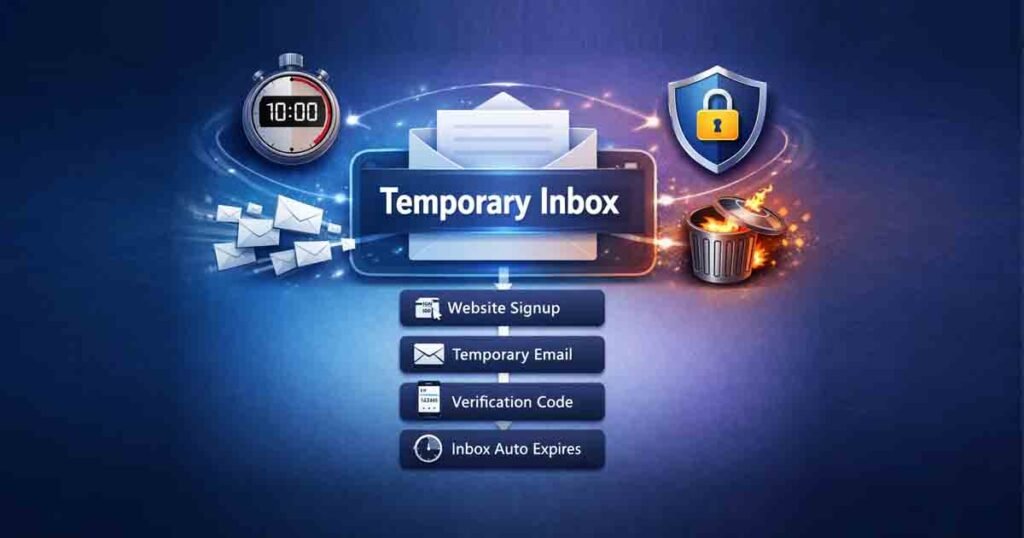
A disposable email address is a temporary inbox designed for short-term use. Users can generate these addresses instantly and receive emails without creating a permanent account.
These temporary inboxes are commonly used to:
- register for websites
- receive verification codes
- access free trials
- download resources
- test online services
Unlike traditional email accounts, disposable inboxes typically expire after a limited time or session.
They are commonly known as:
- temporary email
- burner email
- throwaway email
- fake email
- 10-minute email
These services allow users to interact online while keeping their real email address private.
Major Disposable Email Trends in 2026
Several disposable email trends are shaping how people manage online communication today. Increasing privacy concerns, growing spam problems, and the rapid expansion of online services are all driving the adoption of temporary email tools.
Trend 1: Rising Privacy Concerns
One of the strongest disposable email trends is the growing awareness of online privacy risks.
Every day, people sign up for new platforms such as social networks, apps, and digital services. Each registration requires an email address, which can expose users to marketing campaigns, data tracking, and potential data breaches.
Disposable email tools help reduce these risks by allowing users to hide their real email addresses from third-party platforms. By using a temporary inbox, users can interact with websites without exposing personal contact information.
As privacy awareness continues to grow worldwide, disposable email usage is expected to increase significantly.
Trend 2: Increasing Spam and Unwanted Emails
Spam remains one of the biggest challenges in email communication.
Many users receive large numbers of unwanted emails such as:
- promotional offers
- marketing newsletters
- phishing messages
- scam emails
These unwanted messages can quickly overwhelm a personal inbox.
Disposable email services provide a practical solution by acting as a buffer between users and spam. Instead of risking their main email account, users can use temporary addresses for signups and registrations.
This simple protection mechanism is one of the most important disposable email trends influencing online behavior today.
Trend 3: Growth of Online Services and Signups
Another major factor behind disposable email trends is the rapid growth of internet services.
Today, almost every online platform requires an email address for account creation. Examples include:
- social media platforms
- SaaS applications
- online communities
- newsletters and subscriptions
- e-commerce websites
As more services require email verification, users are increasingly turning to temporary inboxes to manage signups without cluttering their main email account.
Disposable email tools provide a quick and convenient way to complete registrations while maintaining privacy.
Trend 4: Developer and Testing Use Cases
Disposable email services are not only used by everyday internet users. Developers and software testers also rely heavily on temporary inbox tools.
During application development, engineers often need to test:
- account registration systems
- email verification processes
- password reset flows
- automated notification systems
Using disposable email services allows developers to generate multiple inboxes quickly without managing numerous permanent email accounts.
This makes temporary email tools extremely useful for testing digital products and applications.
Trend 5: Rapid Market Growth
The popularity of disposable email services is also reflected in market growth.
The global market for disposable email tools continues to expand as privacy awareness increases and digital services multiply.
Industry projections suggest strong long-term growth in the disposable email sector, with increasing adoption among both individuals and organizations.
These disposable email trends demonstrate that temporary inbox tools are becoming an essential part of modern digital infrastructure.
Trend 6: Temporary Email in Online Registrations
Disposable email addresses are now commonly used during website registrations.
Many users prefer temporary inboxes when signing up for:
- free downloads
- limited trials
- newsletters
- online forums
- testing new platforms
Research suggests that a noticeable percentage of online signups now involve temporary email addresses. This indicates how common disposable email usage has become in modern internet behavior.
Future of Disposable Email
Looking ahead, disposable email trends suggest continued innovation in privacy tools and anonymous communication systems.
Future disposable email platforms may include features such as:
- stronger privacy protection
- encrypted temporary inboxes
- advanced spam filtering
- secure email forwarding
- session-based temporary email systems
As internet users seek more control over their digital identities, disposable email services will continue evolving to meet these demands.
Conclusion
Disposable email services are no longer considered niche tools. They are quickly becoming a mainstream solution for managing online privacy and reducing spam.
Disposable email trends in 2026 clearly show that users want greater control over their digital communication. By allowing people to interact with websites without exposing their primary inbox, temporary email tools provide a practical and secure solution.
As online services continue to grow and privacy concerns increase, disposable email platforms are expected to play an even larger role in the future of internet communication.